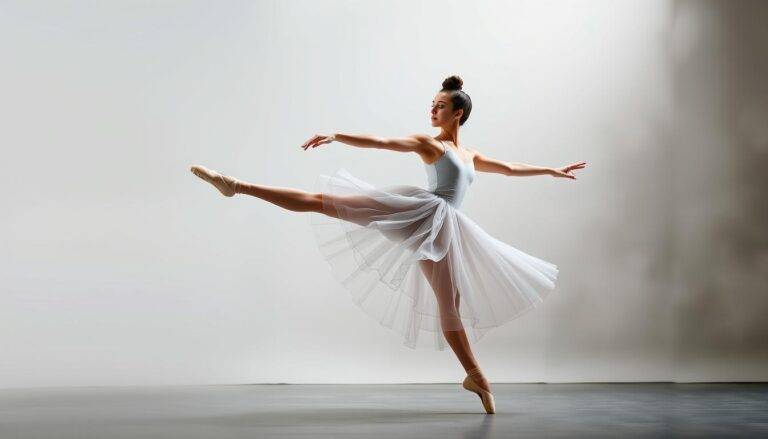
Looking for Beginners' Ballet & Dance Classes in Seattle & Shoreline? ? Building a flawless foundation takes specialized training. At American Dance Institute, our classes help dancers of all levels develop the precise leg stability, core strength, and proper alignment highlighted in this guide. Whether you are an adult beginner building your confidence or an advanced dancer refining your technique, we provide a warm, non-competitive studio space to help you thrive. Come try a class on us! Claim Your Free Trial Class Today! ? Our Neighborhood Locations: Greenwood Studio: Serving Greenwood, Phinney Ridge, and North Ballard Shoreline Studio: Serving Shoreline, Edmonds, and Lake Forest Park Wedgwood Studio: Serving Northeast Seattle, Ravenna, and View Ridge Magnolia Studio: Queen Anne, and South/West Ballard As a seasoned ballet instructor, I’ve seen how the supporting leg changes a dancer’s technique and performance. In this guide, I’ll share my insights and strategies to master the supporting leg. This is key for balance, stability, and grace on the dance floor. The supporting leg is the unsung hero of ballet. It quietly anchors the dancer’s movement, allowing for amazing balance and control. By exploring the anatomy, role, and common misconceptions of the supporting leg, I’ll give you the knowledge to improve your ballet technique. https://www.youtube.com/watch?v=7VNVdImF8a8 Key Takeaways The supporting leg is the foundation of balance and stability in ballet Understanding the anatomy and role of the supporting leg is crucial for improving technique Exercises to build strength and stability in the supporting leg are essential Advanced techniques like dynamic balance and weight shifts can perfect your supporting leg work Incorporating music and rhythm can enhance the mastery of the supporting leg Understanding Supporting Leg in Ballet: The Foundation of Balance As a ballet lover, I’ve found that the supporting leg is key to balance and stability. It’s often overlooked but is crucial for our movements. Let’s explore the supporting leg’s anatomy, its role in ballet, and clear up common misconceptions about weight distribution. Anatomy of the Supporting Leg The supporting leg is more than just the leg that holds our weight. It’s a complex system of muscles, joints, and tendons working together. The quadriceps, hamstrings, and calf muscles are vital for balance and control. Knowing the ballet anatomy of this leg is key to building the necessary leg muscles for success. Role in Basic Ballet Positions The supporting leg is crucial for executing basic ballet positions with grace. Whether in first position, second position, or other stances, it’s how we distribute our weight that matters. This distribution gives us the stability to perform each movement with poise. Common Misconceptions About Weight Distribution Many dancers think the working leg should carry most of the weight. But this is not true. The supporting leg actually carries most of our body weight, allowing the working leg to stay light and responsive. Correcting this misconception can improve our control and fluidity in dancing. Ballet TechniqueImportance of Supporting Leg Maintaining Balance The supporting leg is the foundation that keeps us grounded and centered, enabling us to execute even the most challenging movements with stability. Executing Precise Movements By mastering the control and engagement of the supporting leg, we can perform intricate steps and transitions with accuracy and elegance. Preventing Injuries A strong, well-aligned supporting leg helps distribute our weight evenly, reducing the risk of strain, sprains, or other dance-related injuries. In the next section, we’ll look at exercises and techniques to strengthen the supporting leg. This will help us master ballet even more. Building Strength and Stability Through Essential Exercises As a professional ballet dancer, I’ve learned that a strong foundation is key. Targeted exercises help strengthen the leg muscles. They also improve core stability and balance, crucial for control and grace in ballet. The relevé is a great exercise for leg strength. It makes your supporting leg lift your whole body. Doing relevés daily boosts your leg’s strength and stability. Pliés are also important. They work your quadriceps, hamstrings, and calf muscles. These muscles are vital for supporting your leg in ballet. Focus on proper alignment and core engagement in pliés to build strength and control. To improve balance and stability, add balance exercises to your routine. Try standing on one leg with your eyes closed or balancing on a BOSU ball. These exercises boost your balance and engage your core. Building strength and stability in your supporting leg takes time and effort. But the rewards are worth it. With regular practice of these exercises, you’ll master the supporting leg in ballet. Advanced Techniques for Perfecting Your Supporting Leg Work As you get better in ballet, it’s key to master your supporting leg work. This means learning about dynamic balance, smooth transitions, and how to move with the music. These skills will take your supporting leg work to the next level. Dynamic Balance Exercises Dynamic balance is crucial for keeping your supporting leg stable. Try exercises that test your balance and ability to adjust your weight. For example, do relevés on a BOSU ball or grand battements with a steady supporting leg. Transitional Movements and Weight Shifts Smooth transitions and weight shifts are key to advanced ballet. Practice moving smoothly between positions, shifting your weight while keeping your supporting leg strong. Try this during turns and grand jetés to improve your fluidity. Incorporating Music and Rhythm Musicality in ballet means moving your supporting leg with the music. Do exercises that make you adjust your movements to the rhythm. This will add artistry and emotion to your dance. Improving your supporting leg work takes time and effort. By focusing on balance, transitions, and music, you’ll enhance your ballet skills. This will bring more control, stability, and expression to your dance. TechniqueBenefitsExample Exercises Dynamic Balance Improved control and stability in the supporting leg Relevés on BOSU ball, grand battements with controlled supporting leg Transitional Movements and Weight Shifts Seamless, effortless transitions between positions and movements…